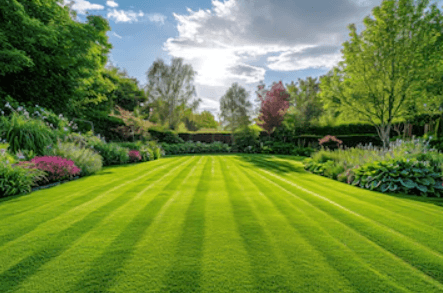
Why are homeowners choosing native-friendly grass varieties for sustainable gardens?

Water restrictions impacted over 40% of the American communities last year and many of those homes have found alternative lawns to save water. Most of these water conserving lawns are comprised of native grasses that are very low maintenance and have numerous environmental benefits to homeowners.
Why Water Conservation Is Moving To Native Grasses
For example, cool season grasses require 2-3 inches of water per week during the growing season and the water can be from irrigation or rain. In contrast, native grasses require up to 50-70% less water for established lawns because of their deep root system that the grass developed over time.
The economics are compelling.
Not only will homeowners save up to $1,500 per year in water cost by removing water-thirsty grass and replacing it with grasses that require 50-70% less water, but as water rates continue to rise these savings will only continue to increase. It’s not just the money that native grasses will save though. Native grasses are doing a much better job of surviving in this time of drought than thirsty turf grass.
Drought tolerance is another reason why homeowners are moving to native grasses. For instance, during times of severe drought, a lawn of native grass will look a little worse for wear and continue to look good. In contrast, a non-native grass will develop all sorts of brown spots or turn to brown completely. In severe cases, it can need emergency watering to prevent severe damage. Also, when there are times of mandatory water restrictions, there is the risk of incurring fines and penalties for watering a non-native lawn. This risk is dramatically less for a lawn of native grasses.
Climate adaptation becomes a practical necessity
In recent years the climate in many parts of the country has become more variable and unpredictable. In previous years lawns with cool-season grasses did well in the warmer part of the season but with longer hot summers the lawns have not performed as well. Conversely, lawns with warm-season grasses have not done well in regions where the temperature fluctuations are greater than in the past.
Regional grasses have evolved over long periods of time and as a result have become well adapted to dealing with temperature extremes, drought, and irregular precipitation. When a homeowner selects a regional grass they can be assured that the grass will perform well in their yard, without the homeowner having to deal with the associated problems.
Maintenance reduction appeals to busy homeowners
Native grasses provide many benefits when it comes to less maintenance for your lawn. For one, the grass only needs to be fertilized 60-80% of the time as other types of grass. This is because native grasses have grown for thousands of years in local soils and have developed the perfect mix of nutrients to continue to thrive. This also means that native grasses are less prone to infestations of insects and diseases that have also co-evolved with the grass in the local environment. Many native grasses also have the ability to go for long periods of time without mowing. Some species of grass only need to be mowed every 2-3 weeks during the time of year in which the grass is actively growing. The grass in the off season can be allowed to grow naturally until the next growing season. Some homeowners allow their grass to grow during the off season and mow it annually. This type of lawn is typically mowed when it is at its peak growth and is allowed to form into its natural growth pattern. This helps the grass to return to its natural state and allows it to continue to thrive for many years to come.
In addition, many native grasses grow at slower rates than non-native grasses. They require less mowing and in some cases can be mowed annually to keep them at a height and appearance that the homeowner prefers. Many native grasses go through natural cycles of growth and decline throughout the seasons and can be allowed to grow naturally without mowing annually. However, there are many species of native grasses that can be mowed every 2 to 3 weeks during the growing season and still provide a beautiful lawn for the homeowner.
Many people who have lawns dislike mowing. A growing number of young and busy adults do not have time to maintain a lawn. They have yards, but they wish they did not. The reason they have a lawn is that they believe everyone needs a lawn and that it will make their house look nice. In reality, many people with lawns wish they did not have to spend so much time and money maintaining the appearance of their grass. In their ideal world, they would not have a lawn at all.
Understanding regional suitability matters
No single native grass species is better than others, for instance ‘Blue Buffalo Grass’ is buffalo grass native to Australia but is not suited for many climates and soil types. It is best to do research on native grasses by regional experts, as well as by native grass gardening organizations. In selecting the right grass for a site, one must take into consideration factors such things as the soil’s pH, the amount of water the soil can drain, the amount of sunlight the lawn will receive and how much traffic the lawn will receive. Information can be obtained from extension offices, native plant societies and more.
Choosing the right native grasses for your lawn is very important. There are many species of native grasses, each with their own preferred growing conditions. Understanding the soil pH, drainage, sunlight, and foot traffic on your site will help you to choose the right grass for your lawn. Research the native grasses that are native to your region. Your local extension office and native plant societies are great resources for learning more about native grasses and choosing the right ones for your lawn.
See also: From Bell Curves to Syllogisms: How Quantitative Logic Shapes Academic Arguments
Long-term environmental benefits accumulate
Your lawn supports the insects native to your region. These will be eaten by the birds that live in your yard and also pollinate all the plants in the region not just on your property.
Another key environmental benefit of native grasses is that they require the use of significantly less pesticides and fertilizers to grow. This means that when these items are used, they will not have the same polluting affect on local waterways and ground aquifers.
The time for newly seeded native grasses to become fully established can take from 2 to 3 growing seasons. During this time period your newly seeded lawn will go through periods of rapid growth and slower periods of growth. For most newly seeded lawns it can take the first year for the grass to grow to full coverage and can take on a appearance of slow growth. As the grass starts to become more established it will begin to produce more green color and start to look more like a well established lawn.
Native grass lawns will last for decades to come after a home has been sold.
Many lawn and landscape maintenance contractors are now offering native grasses to their clients and even selling the seed in their garden centers. In fact, sales of native grass seed are currently growing at a whopping 35% per year or more over the last three years. So, it is not uncommon for native grass seed to be one of the many types of seeds that a landscape contractor offers for sale as part of their regular seed inventory. In many places of the country, native grass seed is now considered to be a normal part of a landscape contractor’s inventory rather than a specialty seed that they would have to go out and order from time to time.
Seed and landscape companies are starting to cater to the needs of the new water-scarce, climate-unpredictable, and busy home, by promoting the practical solution of native grasses to the problems of the traditional lawn.